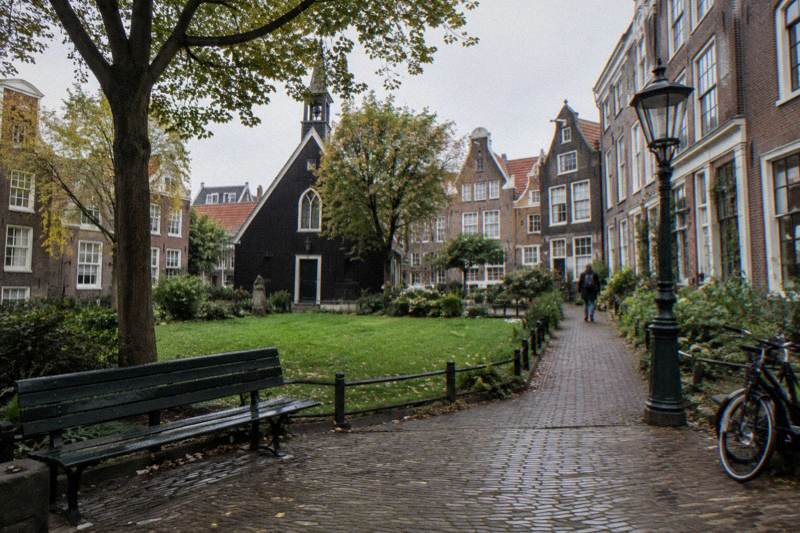
Nine Streets Amsterdam: A Free Walking Guide To The Canal Ring
The Nine Streets and the Canal Ring are free to walk end to end. This guide covers the route, the Reguliersgracht bridge view, the Bloemenmarkt, the Magere Brug and the few things along the way that do cost money.
In Short
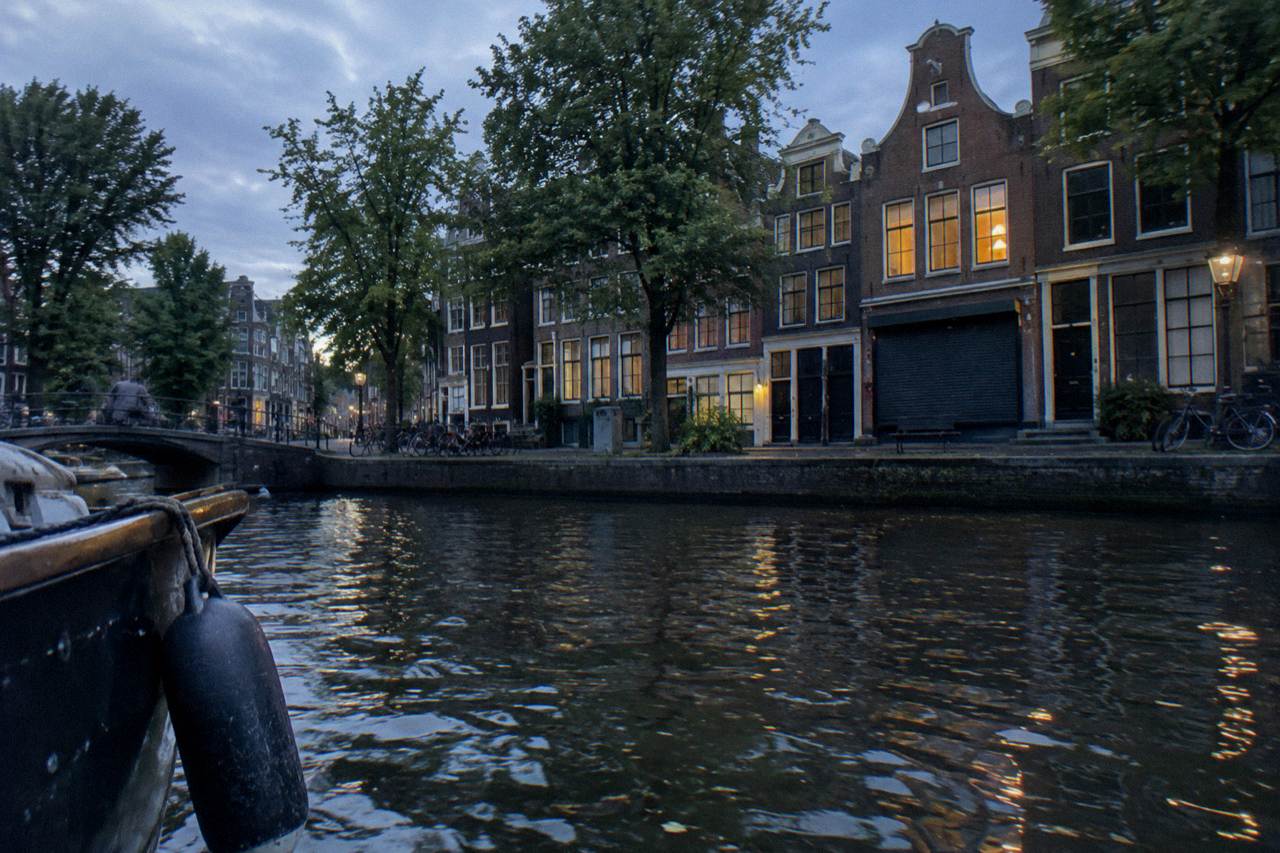
The Nine Streets are a free public shopping quarter of nine cross streets in the Canal Ring, open at any hour with no ticket or gate. The Canal Ring itself is a free UNESCO-listed street network of canals, bridges and gabled houses. Along the route, the Bloemenmarkt and the Magere Brug are free, the Reguliersgracht bridges are a free viewpoint, and the paid items are museums, canal cruises and the Oude and Nieuwe Kerk.
Part of the Free Things To Do In Amsterdam guides series, this page walks the Nine Streets and the Canal Ring the free way.
How Do You Walk The Nine Streets For Free?
You walk the Nine Streets for free the same way you walk any public street: by simply setting out. These nine cross streets in the Canal Ring form an open network with no gate, ticket, or opening time, every viewpoint including the canal bridges is public highway, and the only money you spend is money you choose to spend in shops and cafes.
The Nine Streets, De Negen Straatjes in Dutch, are the cross streets that stitch the western Canal Ring together between the Prinsengracht, Keizersgracht and Herengracht. The quarter is a free destination in itself: gabled facades, independent shopfronts, canal edges you can stand on without paying anyone anything. There is no visitor centre, no entrance fee and no route you must follow, which is exactly why it belongs on a site called Free Things To Do In Amsterdam. The streets are public highway in every sense.
A sensible free walk starts at one canal and works across rather than along. Cross from the Prinsengracht side through to the Herengracht, take in each bridge over the water as you go, and let the side streets carry you north or south as the light and the facades pull you. Every bridge in the quarter is a free viewpoint over the water in both directions. Nothing in that sentence costs a cent.
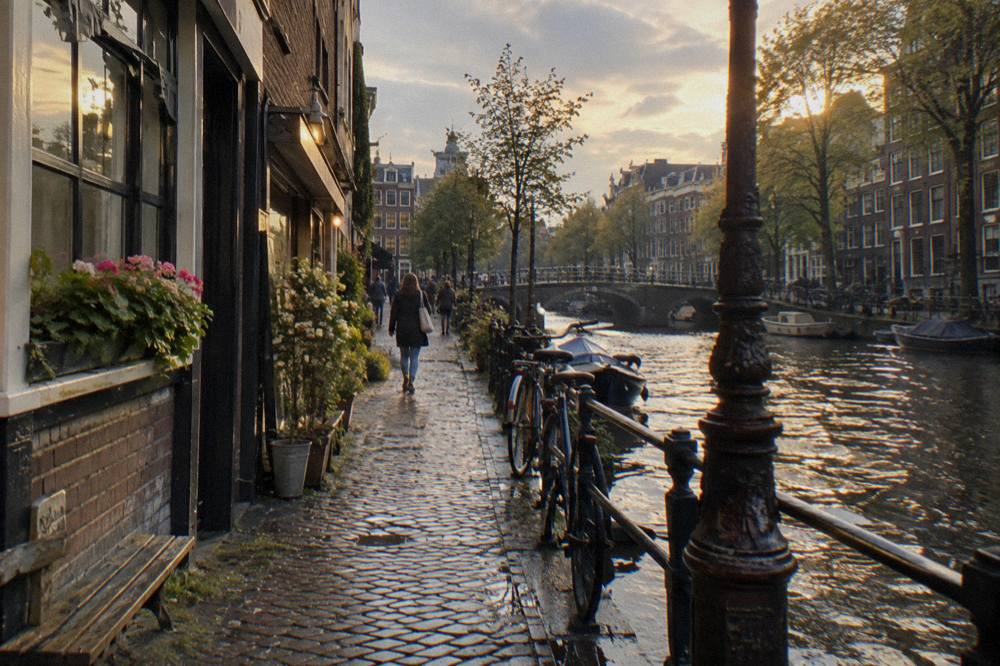
If you want the era behind the streets explained rather than just seen, there is a walking option that matches the neighbourhood. The Trilingual Golden Age Walk is a free, pay what you want walk listed on GuruWalk, running 1 hour 45 minutes, meeting at the obelisk on Dam Square, and rated 4.38 out of 5 across 21 GuruWalk reviews in English, French and Russian. It is one of the walks in this site's free walking tours guide, and it pairs the canal-side architecture with the Golden Age story that produced it.
What Is The Canal Ring And Why Is It Protected?
The Canal Ring, the Grachtengordel, is the concentric ring of canals dug in Amsterdam's Golden Age, and it is protected as a UNESCO World Heritage site. Protection means the layout, the bridges and the facades cannot be casually altered, and it also means the whole ensemble is best, and freely, appreciated on foot. Walking the ring costs nothing, and the UNESCO status is a reason the streets keep looking the way they do.
The Canal Ring was laid out as a single planned expansion of the city, and that plan is what UNESCO recognised: the Herengracht, Keizersgracht and Prinsengracht with their cross streets, the merchant houses built gable to gable along the water, and the whole engineered system of locks and quays that keeps it dry. The Nine Streets sit inside this ring as its best known cross-quarter. None of this heritage is fenced off. The protection runs in the direction of preservation, not ticketing.
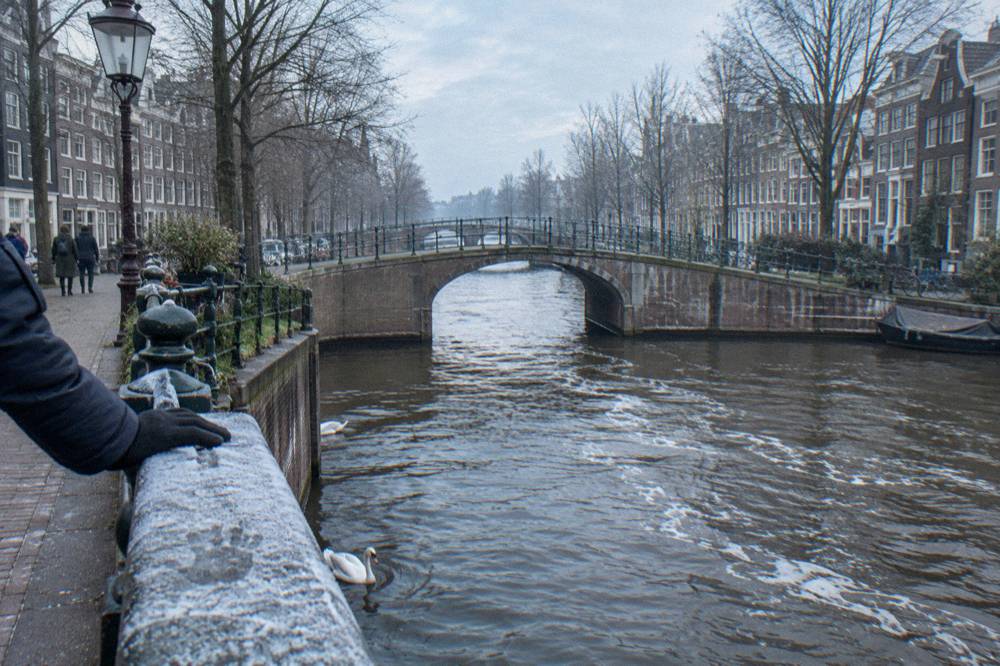
Because the ring is a street network rather than an attraction, the free way to consume it is simply to cover ground. A ring walk can start anywhere on the water and follow any one canal for as long as it holds your interest, crossing on the bridges where the view changes. The Canal Ring record in this site's directory sits alongside the Jordaan and canal quarter guide, which picks up where the western ring meets the Jordaan.
If a free walk with a guide appeals more than a self-directed one, three walks listed here cover the older city the ring grew out of: the Niels Origins Walk, 2 hours from the National Monument on Dam Square, rated 4.81 out of 5 across 116 GuruWalk reviews; the Medieval City Walls Walk, 1 hour 30 minutes from Amsterdam Centraal Station's city side, rated 4.82 out of 5 across 78 GuruWalk reviews; and Absolutely Amsterdam by FreeDam, 2 hours 30 minutes from Beursplein in front of the Stock Exchange, rated 4.82 out of 5 across 9,929 GuruWalk reviews, the largest review pool of the three.
Where Does The Reguliersgracht Bridge View Work Best?
The Reguliersgracht bridges are a free, public viewpoint over a canal lined with trees and narrow houses, and the view works from any of the street's bridges rather than one designated spot. You stand on public highway, look along the water in either direction, and photograph or simply look. It costs nothing and needs no arrangement, only daylight or the evening lights.
The Reguliersgracht viewpoint is the Canal Ring's most photographed single view: a straight line of bridges and elms over water, with the canal houses stepping down both sides. Because the view is a public street, the honest advice is that there is no single sanctioned bridge and no fee. Walk the length of the street, cross at each bridge in turn, and the composition you want is whichever one you are standing on when the light is right.
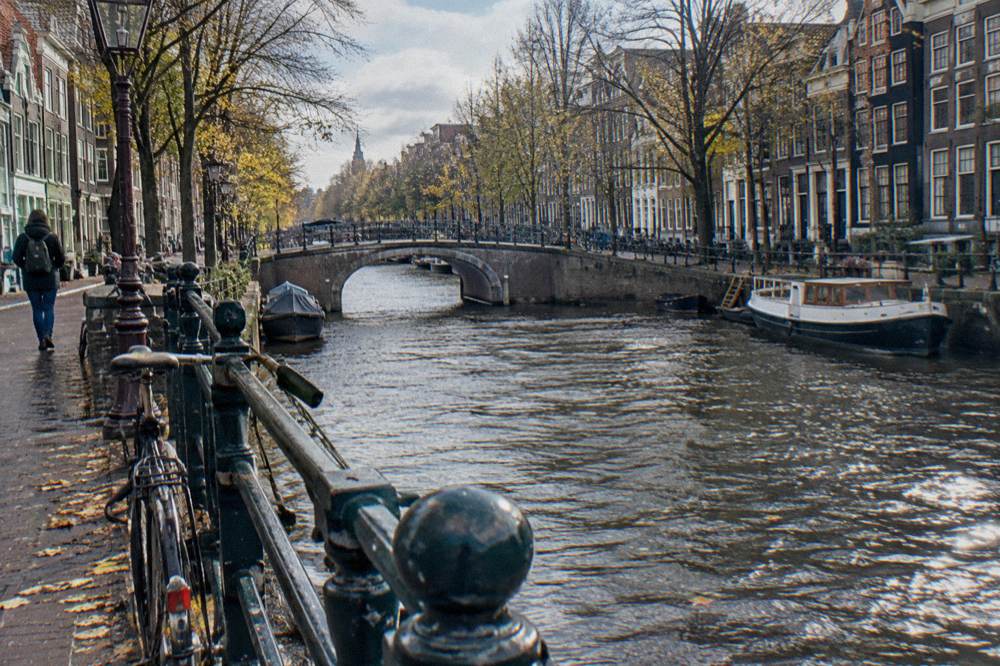
The view sits in this site's free viewpoints guide alongside rooftops and towers that are free, and it is the one viewpoint on that list that is nothing but street. Between late November and mid January it doubles as part of the free Light Festival walking route, with the artworks lit from 16:30 to 23:00 daily and until 21:00 on 31 December, per the festival's own dates page at amsterdamlightfestival.com. Only the 4.5 km walking route is free; the boat cruises, from about EUR 29.75, and the app audio walks are paid.

Is The Bloemenmarkt On The Way?
Yes, in the sense that the Bloemenmarkt, the floating flower market, sits on the Singel at the southern edge of the Canal Ring, so a ring walk can pass it without detour if you route that way. It is free to enter and browse, being a market rather than an attraction. You pay only for flowers, bulbs or souvenirs you choose to buy.
The Bloemenmarkt is a row of stalls on houseboats moored along the Singel, and it is the only one of the city's markets built on the water. As a free sight it works the way the free markets guide describes for all of them: browsing costs nothing, the colour and the smell are the attraction, and money changes hands only if you want it to. The market is a natural southern anchor for a Nine Streets walk, sitting a few streets east of the crossing canals.
Whether it is strictly on the way depends on which loop you draw. A walk that starts in the Nine Streets and follows the ring south along the Singel reaches the market with no real detour. A walk that stays in the western cross streets will not stumble onto it, so plan it in rather than assume it appears. This is the one place on this route where a plan genuinely changes the day, because the market is the only listed stop that is a venue with its own rhythm rather than a street.
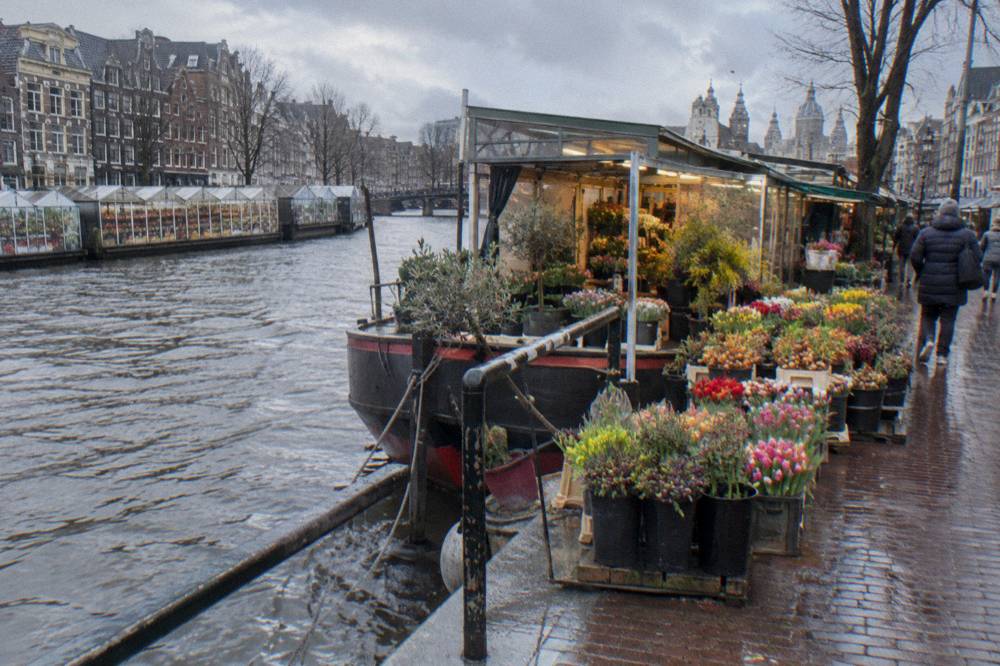
Pair the market with the free southern canal sights in one pass: the floating stalls on the Singel, then east along the water to the Magere Brug. Both are free, both are public, and both photograph better from the neighbouring canal banks than from their own decks.
How Far Is It From The Magere Brug To Dam Square?
The honest answer is that no verified walking distance or time between the Magere Brug and Dam Square can be stated on this site, and any specific figure you read elsewhere should be checked against a map. What can be said is the shape of the trip: both are free, both sit on the same side of the centre, and the canal-side streets connect them in one continuous free walk with the Amstel river crossing in the middle. A free walk covers this ground: Aldo Origins Walk, 1 Hour 45.
The Magere Brug, the Skinny Bridge, is a free public bridge over the Amstel and one of the city's plainest free sights: a wooden double-leaf bridge you can cross on foot at any hour. Dam Square is the city's central square, also free and always open, where the Royal Palace can be seen from outside at no cost, though its interior costs EUR 13.50. Between the two lies the southern Canal Ring, and the whole connection is street.
Rather than a number, use the structure. From the bridge, the canal grid runs northwest toward the ring; the Bloemenmarkt's Singel is on that line; and the Dam sits at the head of the same grid where the canals end and the old centre begins. A map app will give you a live walking estimate, which is the right tool for a figure, and the route itself never leaves public street.
For walkers who prefer the story of how this grid came to exist, the Aldo Origins Walk, 1 hour 45 minutes from the National Monument on Dam Square, covers Amsterdam's history from its origins to today, free and pay what you want, rated 4.78 out of 5 across 261 GuruWalk reviews. It meets at the very square this question ends on.
Which Hours Are Calmest Along The Canals?
The hours that can be stated with confidence come from official opening times rather than crowd folklore: the Light Festival artworks are lit 16:30 to 23:00 daily until 17 January 2027, the Oude Kerk opens Monday to Saturday 10:00 to 18:00 and Sunday 13:00 to 17:30, and the Begijnhof courtyard admits visitors about 10:00 to 18:00. This site publishes no quiet-hour claims, so plan around those fixed hours instead.
Working from what is official: the streets themselves have no hours at all. The Canal Ring is public highway, walkable at 6 in the morning or midnight. What has hours are the doors along it. The Oude Kerk, ticketed at EUR 14.50, keeps the hours above and opens its tower only April to October, per oudekerk.nl. The Begijnhof, a residential courtyard, asks for quiet and admits no group tours. The Westerkerk church interior is free to enter, donation suggested, Monday to Friday 11:00 to 15:00 from September to June, and its tower is closed to visits entirely while restoration runs.
Winter adds one fixed evening window: the Light Festival route is lit from 16:30, so a late-afternoon walk in December turns into a lit artwork walk without changing plan or spending anything. Summer inverts the logic at Museumplein's edge, where the ice rink runs 24 October 2026 to 16 January 2027 with skating ticketed but watching free, and the Christmas Village runs 3 to 27 December 2026, 12:00 to 21:00 daily.
| Stop along the ring | Free or paid | Fixed hours that can be stated |
|---|---|---|
| Canal Ring and Nine Streets streets | Free | Public street, no hours |
| Light Festival walking route | Free | Lights 16:30 to 23:00 daily, 26 Nov 2026 to 17 Jan 2027 |
| Oude Kerk | Paid, EUR 14.50 | Mon to Sat 10:00 to 18:00, Sun 13:00 to 17:30 |
| Westerkerk interior | Free, donation suggested | Mon to Fri 11:00 to 15:00, Sep to Jun |
| Begijnhof courtyard | Free, quiet, no group tours | About 10:00 to 18:00 |
For a guided evening option in English, the Dominika English History Walk, 2 hours from the main entrance of Amsterdam Centraal Station, free and pay what you want, is rated 4.88 out of 5 across 146 GuruWalk reviews.
What Should You Pay For Along This Route?
Realistically you pay for three things: museum and church interiors, boat cruises, and anything you buy in shops or cafes. The big museums near the ring are ticketed, Rijksmuseum EUR 25 for adults and Van Gogh Museum EUR 25, both free for ages 18 and under, while the Oude and Nieuwe Kerk charge EUR 14.50 and EUR 20. A standard canal cruise is paid, and the Light Festival boats start around EUR 29.75. The street itself is free.
The free-versus-paid split along this walk is clean once you see it. Streets, bridges, markets, the Magere Brug, the Reguliersgracht view, the Royal Palace seen from the Dam: all free. Interiors with a ticket desk: paid. The Rijksmuseum is EUR 25 for adults, rising to EUR 26.50 in 2027, free for ages 18 and under, and open daily 9:00 to 17:00. The Anne Frank House is EUR 16.50 for adults, timed tickets sold online only. The Amsterdam Museum's main building on the Kalverstraat is closed for renovation, with a return expected in 2029, so it is not part of any route this winter.
The free walking tours that start around this route are themselves free, pay what you want, but each has its own fixed meeting point, and knowing those points is what turns a walk into a plan. This table gathers the English-language starts closest to the ring and the Dam end of the route.
| Walk | Meets at | Duration | Rating |
|---|---|---|---|
| Trilingual Golden Age Walk | The obelisk, Dam Square | 1 hour 45 minutes | 4.38 out of 5 across 21 GuruWalk reviews |
| Aldo Origins Walk, 1 Hour 45 | National Monument, Dam Square | 1 hour 45 minutes | 4.78 out of 5 across 261 GuruWalk reviews |
| Dominika English History Walk | Amsterdam Centraal Station, main entrance | 2 hours | 4.88 out of 5 across 146 GuruWalk reviews |
| Absolutely Amsterdam by FreeDam | Beursplein, in front of the Stock Exchange | 2 hours 30 minutes | 4.82 out of 5 across 9,929 GuruWalk reviews |
| Item | Status | Cost |
|---|---|---|
| Nine Streets, Canal Ring, bridges, Magere Brug | Free | EUR 0 |
| Bloemenmarkt browsing | Free to browse | Flowers and bulbs priced per stall |
| Rijksmuseum | Paid, free 18 and under | EUR 25 adults, EUR 26.50 from 2027 |
| Van Gogh Museum | Paid, free 18 and under | EUR 25 adults, timed entry |
| Royal Palace interior | Paid | EUR 13.50 |
| Canal cruise, standard hour | Paid | Priced per operator |
| Light Festival boat cruise | Paid | From about EUR 29.75 |
Two rules to know while you walk. Guided tours in the old centre, including free walking tours, operate under municipal rules: groups up to 15, tours between 8:00 and 22:00, and no passing the sex workers' windows, with details on amsterdam.nl. And street drinking is forbidden in the centre, with smoking cannabis banned in the old centre since 2023 and a possible EUR 100 fine, per iamsterdam.com. None of that costs you anything if you simply walk.
Why Do People Pay For The Light Festival Cruise When The Walk Is Free?
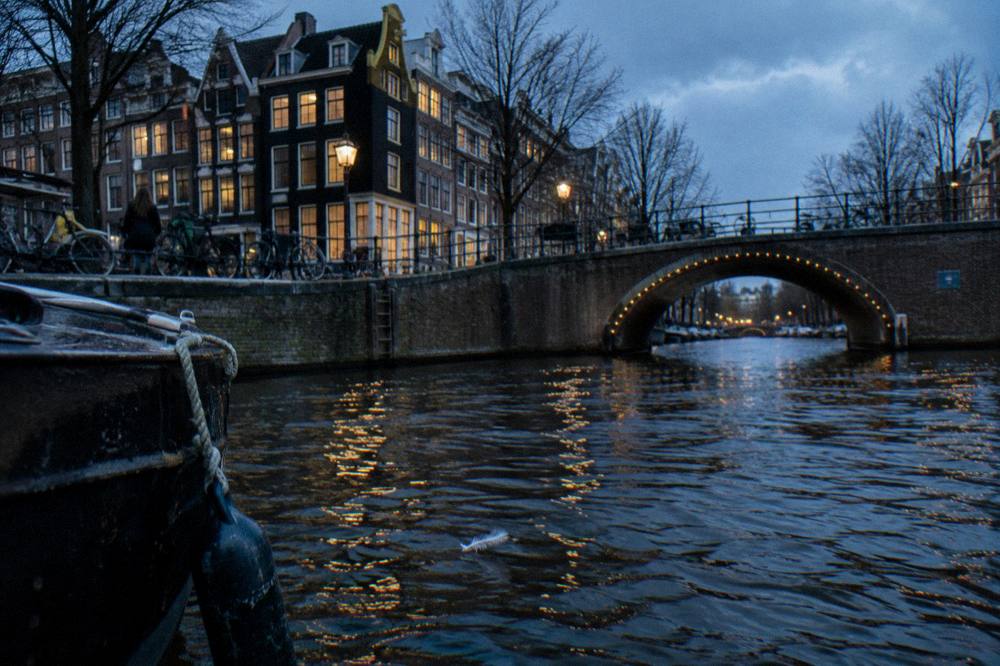
Because the festival markets its boat product hardest, and many visitors never learn the split: only the boat cruises and app audio walks are paid, while the 4.5 km walking route past the same artworks is completely free. It is the single most common paid-for-nothing mistake on this route, aEUR 29.75-and-up cruise sold to people who could have walked the lit route for nothing.
The mechanics are simple and worth stating plainly. Edition 15 of the Amsterdam Light Festival runs 26 November 2026 to 17 January 2027, with 19 artworks, and the build-up began the week of 10 November 2026. The walking route along the canals is free, the artworks are lit every evening from 16:30 to 23:00, and there is no ticket, gate or checkpoint anywhere on it. The cruise, from about EUR 29.75, sees the same festival from the water. The app walks, which add audio, are also paid. That is the whole difference.
The same mistake repeats in smaller ways along the ring. People pay for a canal cruise when the Magere Brug and the bridges give them the water for free. People queue for the Oude Kerk at EUR 14.50 when the Westerkerk interior, four canals west, is free with a donation suggested. People buy an I amsterdam City Card, about EUR 67 to 140, believing it turns museums free; it does not skip the timed slots and it is a paid card, not a free pass. The free version of this whole area is the street, and the street is the best of it.
The fix is to decide what a purchase is for. If you want to sit down and be carried, the cruise is a product, and buying it is fine. If you want to see the festival or the ring, your legs are the free instrument, and this site's Light Festival what is free guide breaks the split down further.
Common Questions About The Nine Streets And Canal Ring
Are The Nine Streets Free To Visit?
Yes, completely. The Nine Streets are nine public cross streets in the Canal Ring, open at any hour with no ticket, gate or fee. You pay only for what you buy in the shops and cafes along them, and every canal bridge in the quarter is a free public viewpoint.
Is The Canal Ring A UNESCO Site You Can Walk For Free?
Yes. The Grachtengordel is a UNESCO World Heritage site, and its protection is a preservation status, not a ticketing one. The Herengracht, Keizersgracht, Prinsengracht, their cross streets and their bridges are all public streets, free to walk end to end.
Where Is The Reguliersgracht Bridge View?
The Reguliersgracht is a canal in the southern Canal Ring, and the famous view is of its tree-lined bridges, visible for free from any of its public bridges. There is no designated spot or fee; walk the street and cross at each bridge. In winter the Light Festival route adds lit artworks from 16:30 daily.
Does The Bloemenmarkt Cost Anything?
No, the Bloemenmarkt is free to enter and browse. It is a market of stalls on houseboats along the Singel, not a ticketed attraction. You pay only for flowers, bulbs or souvenirs you choose to buy, and browsing the stalls costs nothing at all.
Which Churches Near The Canal Ring Are Free?
The Westerkerk interior is free to enter with a donation suggested, open Monday to Friday 11:00 to 15:00 from September to June, though its tower is closed for restoration. The Noorderkerk, the Basilica of Saint Nicholas and the Krijtberg are also free in limited hours. The Oude Kerk at EUR 14.50 and the Nieuwe Kerk at EUR 20 are ticketed.
Can A Free Walking Tour Cover The Canal Ring?
Yes, several free, pay what you want walks on GuruWalk cover the city the ring sits in, including the Trilingual Golden Age Walk, 1 hour 45 minutes from Dam Square, and walks listed here from Beursplein, Nieuwmarkt and Amsterdam Centraal. Every walk is free to reserve and you tip at the end.