Museumkaart And I Amsterdam City Card: Do You Need One?
The Museumkaart costs EUR 75 and the I amsterdam City Card runs from about EUR 67, but neither makes a museum free and neither skips the timed slot at the Rijksmuseum or the Van Gogh Museum. Here is what each card covers, what it does not, and how to tell whether your itinerary earns the price back.
In Short
The Museumkaart costs EUR 75 for adults, and the I amsterdam City Card runs from about EUR 67. Neither card makes a museum free and neither skips the timed entry slot at the Rijksmuseum or Van Gogh Museum, and the Anne Frank House is not covered at all. A free-first itinerary of courtyards, churches, markets and pay-what-you-want walks usually spends nothing, so most short visits do not need a card.
Part of the Free Things To Do guides, this one settles the card question before you spend EUR 75 on plastic you may never use.
Amsterdam's two visitor cards sit at the centre of most trip-budgeting plans, and both are paid products. The Museumkaart is a Dutch museum pass, EUR 75 for adults and EUR 39 for anyone up to age 18. The I amsterdam City Card is a tourist product bundling museums with transport and a canal cruise, priced roughly between EUR 67 and EUR 140 depending on length. Neither card makes anything free that was not already free, and neither guarantees you a slot at the two museums people actually queue for.
This guide walks through what each card covers, where both stop working, and the free-first itinerary that makes the question moot. If you are building your days around pay-what-you-want walking tours, canal-side streets and the city's genuinely free sights, you may find the honest answer is no card at all. The free museums guide covers the sights that never charge, and is the Museumkaart worth it for tourists drills into the pass itself; this page compares both cards against a real short-trip budget.
What Does The Museumkaart Cover?
The Museumkaart is a Dutch museum pass covering entry at participating museums across the Netherlands, and in Amsterdam that means the paid ones: the Rijksmuseum at EUR 25 for adults, plus many medium-sized and smaller museums. It does not cover the Anne Frank House, it does not remove the Van Gogh Museum's timed slot, and it never applies to anything already free. Adults pay EUR 75, EUR 39 up to age 18.
The card is a national product, not an Amsterdam tourist pass, and that distinction matters twice over. First, its price reflects a full year of validity, which is far longer than most visitors need. Second, its coverage list is built around Dutch museums generally, so the Amsterdam entries skew toward the ticketed institutions: the Rijksmuseum, the Van Gogh Museum with a timed ticket, and the medium-sized houses that charge admission across the city. The Museumkaart covers Van Gogh Museum entry, but you still need to book a timed slot even with the card, so it buys the entry, not the convenience.
The number to hold in your head is the Rijksmuseum's adult price, EUR 25, rising to EUR 26.50 from 2027, with free entry for ages 18 and under regardless of any card. At those prices, a card paid back in two Rijksmuseum visits plus two or three medium museums starts to make sense on a museum-heavy itinerary. On a one-museum trip it does not. The full price detail sits on the museum's own prices page, and the Van Gogh Museum states its pass and timed-ticket rules on its tickets page.

What the card never does is change a free sight into a better free sight. The Stadsarchief's Schatkamer exhibition is free to everyone, card or no card. The Hollandsche Schouwburg memorial is free entry with no ticket at all. The Westerkerk church interior is free during its opening hours, though the tower is closed for restoration right now and no card opens it. Adding a card to an itinerary built on these places buys nothing.
| Sight | Adult entry | Museumkaart effect | Timed slot still needed? |
|---|---|---|---|
| Rijksmuseum | EUR 25 | Covered | Yes |
| Van Gogh Museum | EUR 25 | Covered, timed ticket required | Yes |
| Anne Frank House | EUR 16.50 | Not covered | Yes, online only |
| Stadsarchief Schatkamer | Free | Nothing to cover | No ticket at all |
| Westerkerk interior | Free, donation suggested | Nothing to cover | No, hours only |
What Does The I Amsterdam City Card Add?
The I amsterdam City Card bundles museum entry with GVB public transport and a canal cruise, priced roughly between EUR 67 and EUR 140 depending on the number of days. It adds transport and the cruise that the Museumkaart lacks, but it carries the same core limits: no Anne Frank House, no skipping of timed slots at the big museums, and no effect on anything already free. The card is a paid product and never makes a museum free.
The bundling is the card's whole pitch, and it is worth pricing the bundle honestly. A GVB day ticket is EUR 10 at the 2026 price, and a standard hour-long canal cruise is a paid product. The City Card's museum list overlaps heavily with the Museumkaart's Amsterdam coverage, so the real question is whether transport plus a cruise plus two or three museum entries clears the card's price in your case. On a two-day stay where you walk most of the old centre, which is entirely walkable, and take the free IJ ferries rather than paid transport, the transport component can be close to worthless.
The cruise component deserves the same scrutiny. The card's canal cruise is a paid product bundled in, but the city's most memorable water views are free: the Magere Brug, the canal ring itself, and the free ferry ride to Amsterdam Noord. If a cruise was never on your list, you are paying for a component you will not use.
Both cards share one structural limit that catches people out. Every big Amsterdam museum still requires a timed entry slot, and a card does not create one. The Van Gogh Museum says plainly that pass holders need a timed ticket. The Rijksmuseum runs daily 9:00 to 17:00 and takes timed entry, free for ages 18 and under. The Anne Frank House sells timed tickets online only and accepts no card at all. The under-18 free entry at the big museums applies exactly as stated, to children, and never extends to the adults travelling with them.
| Feature | Museumkaart | I amsterdam City Card |
|---|---|---|
| Adult price | EUR 75 | About EUR 67 to 140 by length |
| Rijksmuseum entry | Covered | Covered |
| Van Gogh entry | Covered, timed ticket required | Covered, timed ticket required |
| Anne Frank House | Not covered | Not covered |
| Public transport | Not included | GVB transport included |
| Canal cruise | Not included | Included |
The Museumkaart versus city card comparison covers the pass arithmetic in more depth, but the short version is this: the City Card suits a transport-heavy, cruise-wanting, three-museum visit, and the Museumkaart suits a museum-dense longer stay. A free-first trip suits neither.
Do Cards Skip The Timed Slot At The Big Museums?
No. Every major Amsterdam museum requires a timed entry slot, and holding a Museumkaart or City Card does not create, skip or queue-jump that slot. The Van Gogh Museum states that a timed ticket is required even with a pass; the Anne Frank House sells timed tickets online only and accepts no card; the Rijksmuseum runs timed entry daily from 9:00 to 17:00. The card pays the entry, the clock still governs the door.
This is the single most expensive misunderstanding in Amsterdam trip planning, because it converts a card purchase into a card purchase plus a scheduling problem. The timed-slot system exists to spread visitors through the day, and it applies to cardholders and ticket buyers alike. Under-18s enter the big museums free, but they still need the timed arrangement, stated exactly as the museums state it.
The Anne Frank House is the sharpest edge of this rule. Its tickets are sold online only, priced EUR 16.50 for adults, EUR 7 for ages 10 to 17 and EUR 1 for ages 0 to 9, and no pass of any kind is accepted there. A traveller who bought a card partly on the strength of Amsterdam's most famous museum has bought the wrong product. The museum's own tickets page is the only place those tickets are sold.
If the timed-slot discipline feels like work, it is worth knowing that the free side of the city runs on no such machinery. The Begijnhof courtyard simply opens, roughly 10:00 to 18:00, quiet and closed to group tours. The Concertgebouw's free lunchtime concerts run weekly at 12:30 except July and August, and the free ticket is ordered online up to a week ahead, two per person, per the concert hall's own page. That is a reservation, but it costs nothing and no card is involved. The free concerts guide lists the rest.
When Does A Free-First Trip Not Need A Card?
A free-first trip does not need a card the moment its museum count drops to one or two, because the card's payback threshold sits around three paid museum visits at EUR 25 each. An itinerary built on pay-what-you-want GuruWalk tours, free courtyards, free churches in limited hours, markets, parks and the free IJ ferries spends nothing at the door anywhere, so there is nothing for a card to pay back.
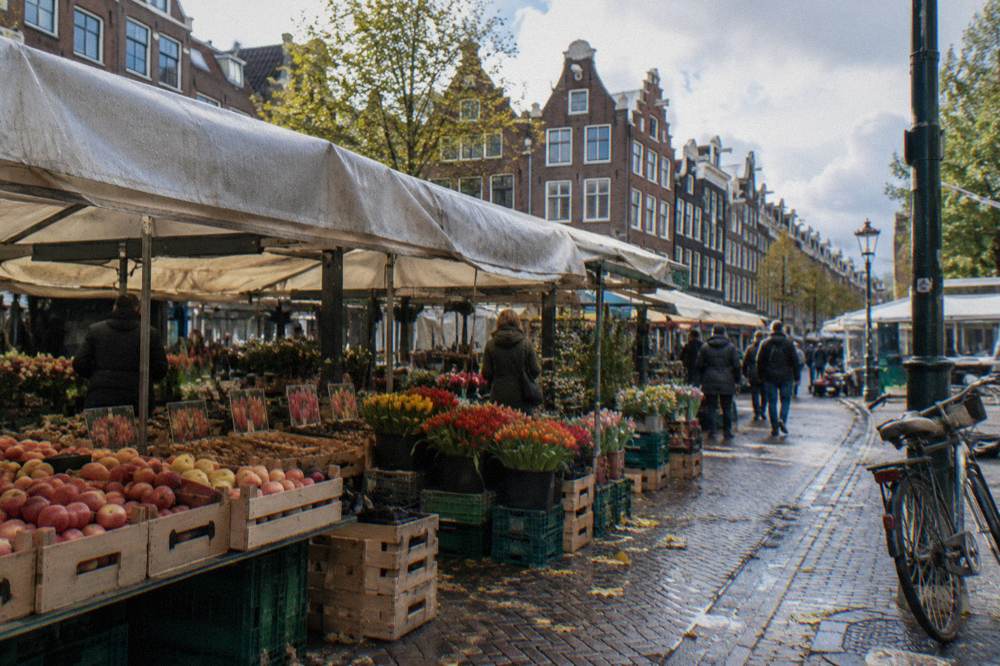
The free-first itinerary is not a compromise version of Amsterdam; it is a genuinely full one. Start at Dam Square and the National Monument, both free public space. Walk the canal ring, a UNESCO-listed streetscape that costs nothing to admire, and the Nine Streets. Cross the Magere Brug. Browse the Albert Cuyp Market, the Bloemenmarkt and the Waterlooplein flea market, all free to wander. Enter the Westerkerk interior in its limited free hours, with a donation suggested, and remember the tower is closed for restoration. Sit in the Vondelpark, the Westerpark or the Amsterdamse Bos. Everything else covered here is listed on Free Things To Do In Amsterdam.
The guided layer of this itinerary is where the city's pay-what-you-want walks come in, and every one of them is a real listing run by an independent local guide on GuruWalk, free to reserve with the tip decided by you at the end. The flagship is Absolutely Amsterdam by FreeDam, rated 4.82 out of 5 across 9,929 GuruWalk reviews, meeting at Beursplein in front of the Stock Exchange and running 2 hours 30 minutes in English; its Absolutely Amsterdam tour page has the meeting detail. That walk covers the old centre and Dam Square ground that a card cannot touch.
For the same neighbourhood with a shorter commitment, the Essential Walk, Adults Only by Felipe runs 1 hour 30 minutes in English from In De Waag on the Nieuwmarkt, rated 4.94 out of 5 across 2,591 GuruWalk reviews. It is reserved for adults, and it is another pay-what-you-want listing. Between the museums' timed slots and these walks' open reservation, the free-first day has strictly less administration.
| Free-first day part | Cost | Reservation needed? |
|---|---|---|
| Dam Square and canal ring walk | Free | None |
| Pay-what-you-want GuruWalk, old centre | Free, pay what you want | Reserve on the walk's GuruWalk page |
| Begijnhof courtyard | Free, roughly 10:00 to 18:00 | None, no group tours |
| IJ ferry to Noord (F3) | Free for pedestrians | None, runs 24 hours |
| Concertgebouw lunchtime concert | Free ticket | Order online up to a week ahead |
The Amsterdam on a budget guide extends this plan across a full week, and the free attractions guide maps the free sights by district. Neither page finds a moment where a card would have helped.
Who Gets Value From A Card?
The EUR 75 Museumkaart breaks even at three EUR 25 museum visits, so the fourth visit is the first that saves money, and it suits a longer, museum-dense stay. The City Card only earns its cost back if you genuinely want the bundled canal cruise and expect to use paid transport daily, while under-18s already enter the big museums free without any card.
The arithmetic is worth doing out loud. An adult pays EUR 25 each at the Rijksmuseum and the Van Gogh Museum, and the card costs EUR 75, so a two-museum trip saves nothing: the fourth visit is the first that saves money, about EUR 25. Add two medium museums at typical Amsterdam prices and the card moves ahead. Stay a week, return to the Netherlands within the card's validity, or fill rainy days with museum after museum, and the pass is a rational buy. The Van Gogh Museum's timed-ticket rule still applies, so the cardholder's calendar looks the same as everyone else's.
Families should read the under-18 rule carefully before buying anything. The Rijksmuseum is free for ages 18 and under. The Van Gogh Museum is free under 18. The Anne Frank House charges children EUR 7 or EUR 1 by age band and takes no card. The child Museumkaart at EUR 39 only makes sense if the children in question were going to pay their way into covered museums repeatedly, which the under-18 free rule often prevents at exactly the museums driving the purchase.
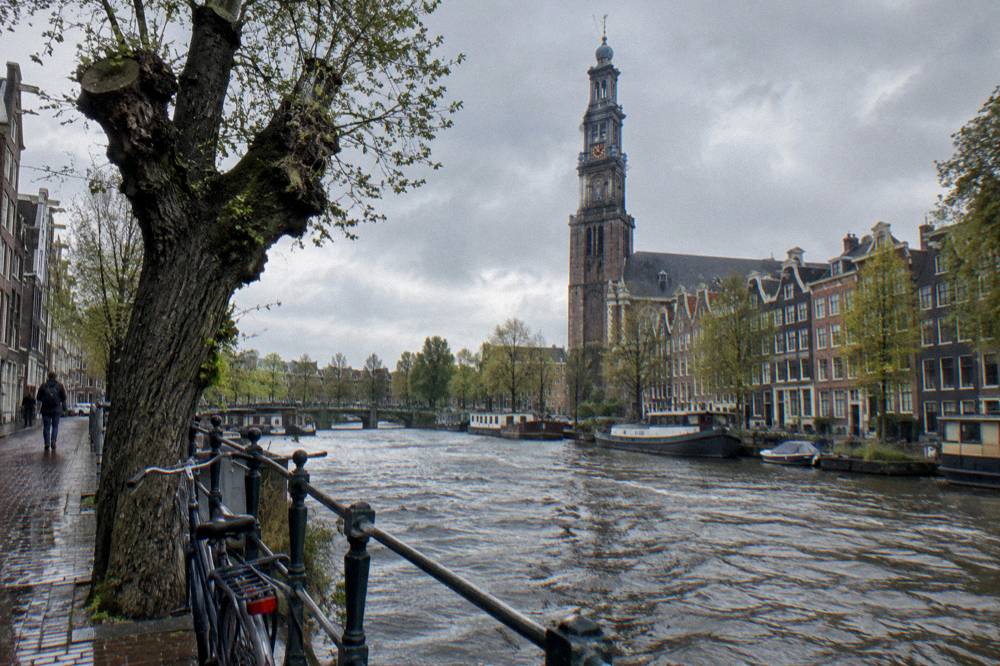
For a museum-light trip, the free architecture of the city does the entertaining. Amsterdam's churches split cleanly: the Oude Kerk at EUR 14.50 and the Nieuwe Kerk at EUR 20 are ticketed, while the Westerkerk, Noorderkerk, the Basilica of Saint Nicholas and the Krijtberg are free in limited hours. That split is a small card decision all by itself, and the free churches guide maps it.
Which Alternative Fits A Two-Day Stay?
For a two-day stay, the honest alternative is no card at all: two pay-what-you-want GuruWalk walks, one paid museum chosen deliberately, and days otherwise built from free courtyards, markets, parks and the free ferries. If one museum matters, buy its single timed ticket. If a canal cruise matters, buy one cruise. Two days is too short to pay back EUR 75, and the old centre is walkable end to end.
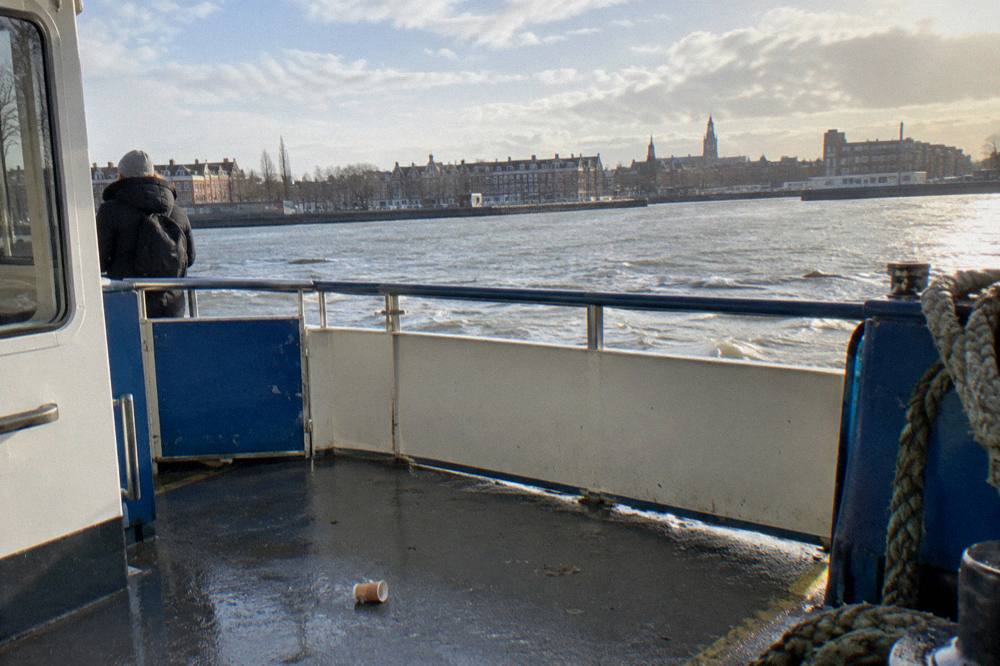
Two days is where the free-first plan is strongest, because the city's walkable core matches the time available. Day one can run the old centre: Dam Square, the canal ring's eastern arc, the Begijnhof, the Zeedijk and the Waag, anchored by a pay-what-you-want walk. The Aldo Origins Walk, 1 hour 45 minutes in English from the National Monument on Dam Square, rated 4.78 out of 5 across 261 GuruWalk reviews, is a GuruWalk listing that tells the city's history from its origins to today. Day two can cross the water: the free F3 ferry runs 24 hours to Amsterdam Noord, the NDSM wharf is free to wander, and the return lands you at the Centraal Station forecourt.
If day two stays central instead, the Jewish Quarter and Plantage district carries the city's heaviest history at no entry cost: the Hollandsche Schouwburg is free entry, no ticket, open almost every day 10:00 to 17:00, and the National Holocaust Names Memorial stands in public space. The English-language Jewish Quarter Walk by Friendly Tours Amsterdam, 2 hours, meeting at Zwanenburgwal 15, rated 4.9 out of 5 across 1,384 GuruWalk reviews, is the pay-what-you-want guided version. Neither day has a card-shaped gap in it.
| Two-day ingredient | Card needed? | What it costs instead |
|---|---|---|
| Old centre walking day | No | Pay what you want on a GuruWalk listing |
| Rijksmuseum visit, if chosen | Covered, but not paid back alone | EUR 25 timed ticket |
| Jewish Quarter and Plantage day | No | Free memorials, pay-what-you-want walk |
| Ferry to Noord and NDSM | No | Free for pedestrians, F3 runs 24 hours |
| Canal cruise, if wanted | Bundled in City Card | Single paid cruise |
The seasonal calendar can tip this either way, briefly. The Amsterdam Light Festival's 4.5 km walking route, 26 November 2026 to 17 January 2027, is free to walk with the lights on from 16:30 to 23:00 daily, while the boat cruises from about EUR 29.75 and the app audio walks are paid. That is a card-free winter evening sorted, and the winter guide builds the rest of the season around it.
Why Do Travellers Buy A Card For Museums It Does Not Cover?
The mistake is buying a card on the strength of museums it excludes: the Anne Frank House takes no card, the Heineken Experience and A'DAM Lookout take no card, and the big museums' timed slots remain even when entry is covered. The fix is to list your actual intended museums first, price them as single tickets, and only then check that list against the card's coverage. Most card purchases are made before that list exists, which is why they disappoint.
The pattern repeats in every card review thread: a traveller budgets the Anne Frank House, the Heineken Experience and a canal cruise into a card's imagined value, then discovers that the first takes no card, the second takes no card and the third was cheaper bought alone. The A'DAM Lookout, about EUR 16.50, is a paid sight across the water reached by a free ferry; the ferry is free, the viewing deck is not, and no card in this article changes that. NEMO's Rooftop Square is free while the museum below it is ticketed, another split that a card flattens in the buyer's imagination and preserves in reality.
The disciplined approach takes ten minutes. Write down the paid places you genuinely intend to enter. Price each as a single ticket from its own page. Add them. Compare the total with the adult Museumkaart price, or with the City Card length matching your days. If the list wins, buy the card. If the card wins, check every line item is actually covered and still needs a timed slot. The math is simple; skipping it is the mistake.
This site, Free Things To Do In Amsterdam, exists because the list usually comes out small. Between the free-first sights, the pay-what-you-want walks on GuruWalk and one deliberate paid museum, a two- or three-day visit rarely crosses the threshold where plastic helps. Do the arithmetic, then spend accordingly.
Common Questions About The Museumkaart And City Card
Does The Museumkaart Cover The Anne Frank House?
No. The Anne Frank House sells timed tickets online only, at EUR 16.50 for adults, EUR 7 for ages 10 to 17 and EUR 1 for ages 0 to 9, and it accepts no pass of any kind. Plan that visit separately from any card decision.
Does A Card Skip The Queue At The Rijksmuseum?
No. The Rijksmuseum runs timed entry daily from 9:00 to 17:00, and a Museumkaart or City Card covers the EUR 25 adult entry but not the slot itself. Ages 18 and under enter free with the same timed arrangement.
How Many Museums Pay Back A Museumkaart?
Roughly three. The card costs EUR 75, and the Rijksmuseum charges EUR 25 per adult, rising to EUR 26.50 from 2027. Two paid museums roughly break even; three or more put the card ahead.
Is The Van Gogh Museum Free With A Museumkaart?
The Museumkaart covers Van Gogh Museum entry, but a timed ticket is still required even with a pass. Adults otherwise pay EUR 25, about EUR 26 from 2027, and under-18s enter free.
Do Children Need A City Card Or Museumkaart?
Usually not. The big museums admit ages 18 and under free, so the EUR 39 child Museumkaart often duplicates a discount children already have. The Anne Frank House charges children reduced rates and takes no card.
What If I Mostly Want Free Sights And Walking Tours?
Then you need no card at all. Every GuruWalk walk listed here is free, pay what you want, and the courtyards, churches, markets, parks and ferries cost nothing. Reserve walks on each guide's GuruWalk page and pay what you decide at the end.