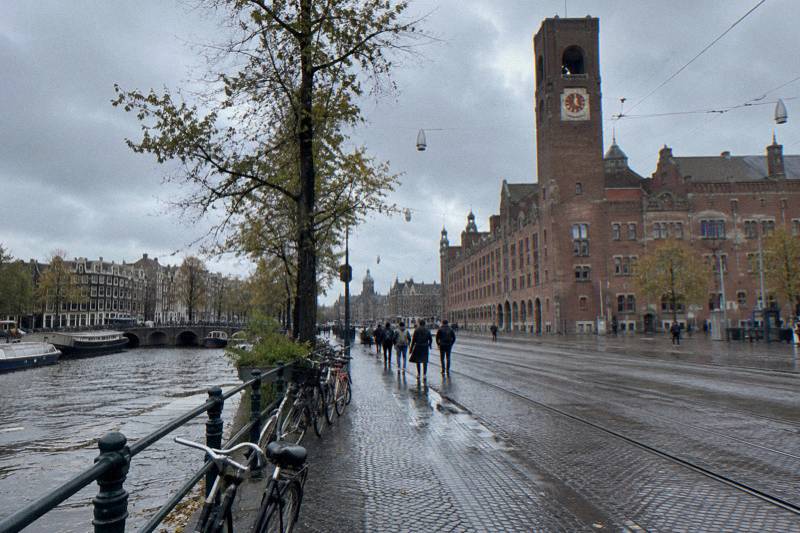
Amsterdam On A Budget: What Is Free, What Is Worth Paying For
Amsterdam punishes careless spending and rewards planning. Here is the honest split between what costs money, what is free, and where the cards do and do not pay off.
In Short
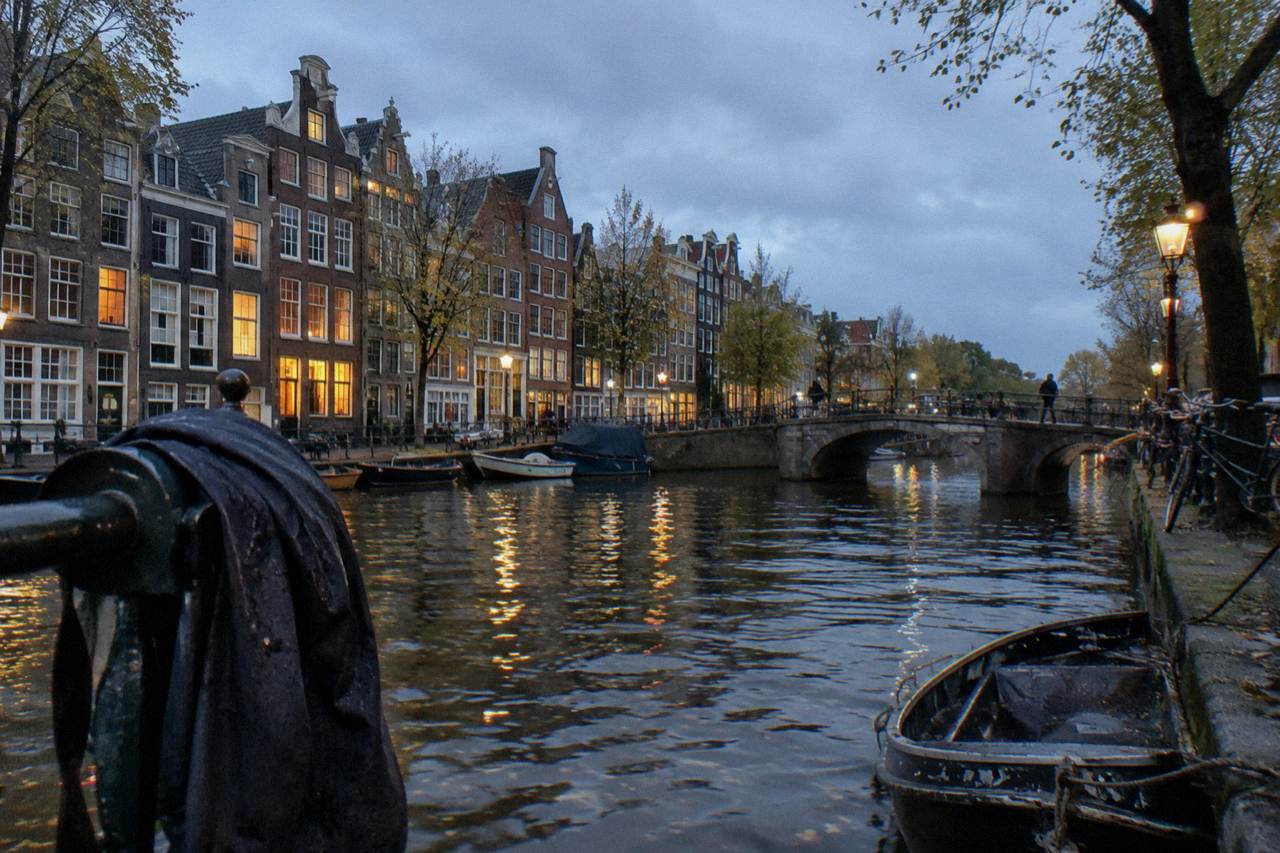
A large share of Amsterdam can be done free: the canal ring, all major parks, the markets, the Begijnhof courtyard and the IJ ferries cost nothing. The three big museums charge, EUR 25 at the Rijksmuseum and Van Gogh Museum and EUR 16.50 at the Anne Frank House, with free entry for under-18s. A Museumkaart at EUR 75 pays for itself at about three big museums. Free walking tours on GuruWalk cost nothing up front, pay what you want.
Part of the full free-things guides on this site, this page covers the money question end to end.
Amsterdam has a reputation for being expensive, and the big-ticket sights are: the Rijksmuseum and the Van Gogh Museum both charge adults EUR 25, and the Anne Frank House charges EUR 16.50 with timed tickets sold online only. But the city's defining experiences, walking the canal ring, standing on Dam Square, crossing the IJ by ferry, sitting in the Vondelpark, cost exactly nothing. The gap between a careless budget and a planned one in this city is enormous, and almost all of it comes down to three decisions: which paid sights you actually enter, whether a card beats separate tickets, and how you use the free layer around them.
How Much Of Amsterdam Is Free If You Plan It Well?
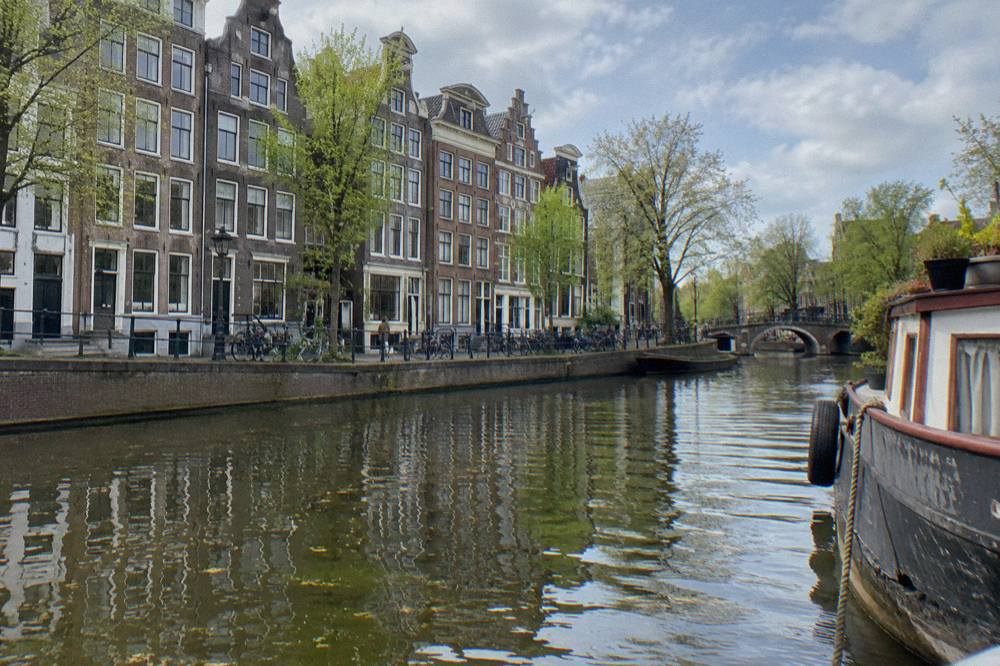
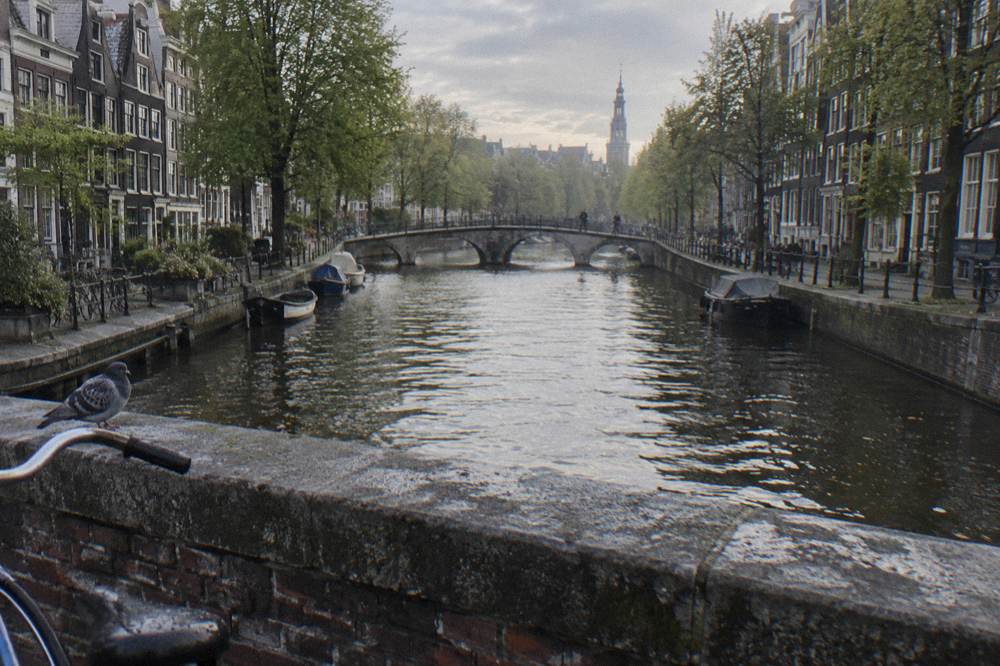
Planned well, most of a great Amsterdam day costs nothing: the entire UNESCO canal ring is a public street, the large parks are free, the main markets cost nothing to wander, the Begijnhof courtyard is free during daytime hours, and the IJ ferries charge pedestrians nothing. Only the big museums, tower attractions, and canal boats require tickets, so build your itinerary from the free layer and add paid sights deliberately.
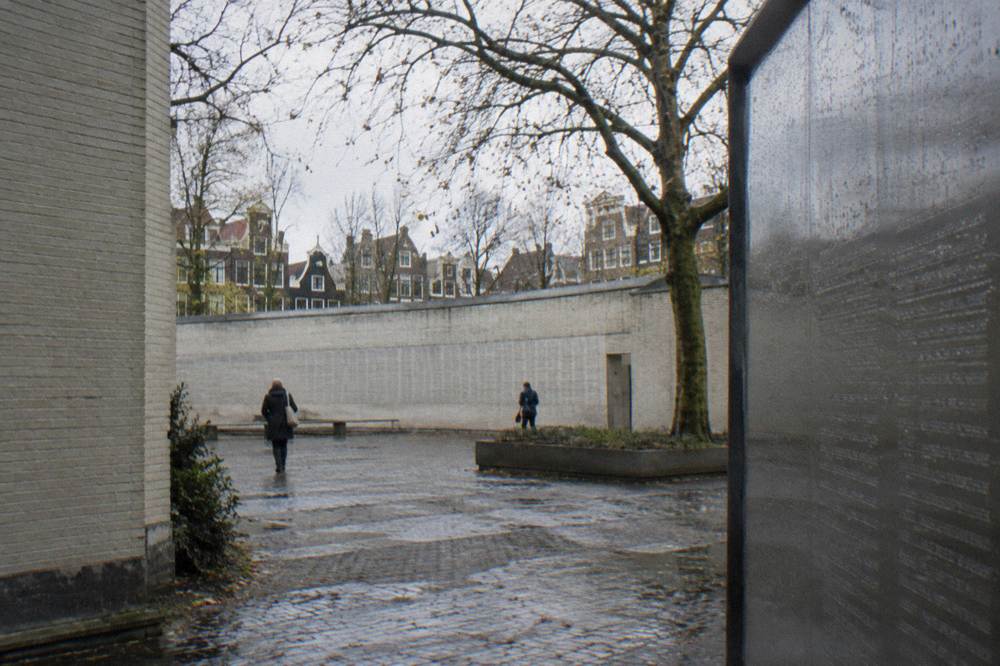
The list of genuinely free things is long. The canal ring itself, the Jordaan neighbourhood, the Nine Streets, Dam Square, the Magere Brug and the Zeedijk with the Schreierstoren are all public space. Vondelpark, Westerpark, Oosterpark, Sarphatipark and the Amsterdamse Bos are free. The Albert Cuyp Market, the Bloemenmarkt, the Waterlooplein flea market and the Noordermarkt are free to walk. The Begijnhof courtyard is free roughly 10:00 to 18:00, with the condition that it is residential: no group tours, and quiet. The Hollandsche Schouwburg memorial is free entry with no ticket, open almost every day 10:00 to 17:00.
Then there are the conditional frees, the places free for the building but paid for the show. The Stadsarchief's Schatkamer exhibition is permanently free while its Meesterwerk exhibition runs to 7 March 2027 on a ticket. The Eye Filmmuseum's foyer, bar and waterfront terrace are free, films are not. NEMO's Rooftop Square is free, the museum inside is not. The Royal Palace is free to look at from Dam Square, EUR 13.50 inside. These splits matter more than any single price, and the free attractions guide breaks the full list down.
One of the cheapest ways to add structure to the free layer is a free walking tour. Every walk listed here is bookable on GuruWalk, free to join, pay what you want at the end. The largest is Absolutely Amsterdam by FreeDam, rated 4.82 out of 5 across 9,929 GuruWalk reviews, running 2 hours 30 minutes in English and meeting at Beursplein in front of the Stock Exchange. You can read more on the Absolutely Amsterdam tour page.
Add the seasonal layer and the free share grows again in winter: the Amsterdam Light Festival's 4.5 km walking route is free to see, with lights on 16:30 to 23:00 daily from 26 November 2026 to 17 January 2027, while the boat cruises from about EUR 29.75 and the app walks are paid. Watching the Museumplein ice rink is free, skating is ticketed. The Sinterklaas arrival on Sunday 15 November 2026 is free along the route.
| Always free | Free with a condition | Paid |
|---|---|---|
| Canal ring streets and bridges | Begijnhof courtyard (about 10:00 to 18:00) | Rijksmuseum, EUR 25 |
| Vondelpark and all major parks | Stadsarchief Schatkamer (free) vs Meesterwerk (ticket) | Van Gogh Museum, EUR 25 |
| Albert Cuyp, Bloemenmarkt, Waterlooplein markets | Eye foyer and terrace (films paid) | Anne Frank House, EUR 16.50 |
| IJ ferries for pedestrians and cyclists | NEMO Rooftop (museum paid) | Oude Kerk, EUR 14.50 |
| Hollandsche Schouwburg memorial | Light Festival walking route (boats paid) | Royal Palace interior, EUR 13.50 |
Which Paid Sights Are Actually Worth The Ticket?
The three anchors most budgets justify are the Rijksmuseum at EUR 25, the Van Gogh Museum at EUR 25 and the Anne Frank House at EUR 16.50, because none has a free equivalent and each needs a timed slot. Below that tier, value depends on interest: the Royal Palace at EUR 13.50 and the Oude Kerk at EUR 14.50 are shorter visits. Under-18s enter the big museums free, which changes the family math completely.
Start with what cannot be substituted. The Anne Frank House is EUR 16.50 for adults, EUR 7 for ages 10 to 17 and EUR 1 for ages 0 to 9, with timed tickets sold online only, so it is the one sight where booking ahead is not optional advice but the only way in. The Anne Frank House tickets page is the sole sales channel. The Rijksmuseum is open daily 9:00 to 17:00, EUR 25 for adults, rising to EUR 26.50 in 2027, free for ages 18 and under. The Van Gogh Museum is EUR 25, about EUR 26 from 2027, free under 18 and with a Museumkaart, but still requires a timed ticket even with a pass.
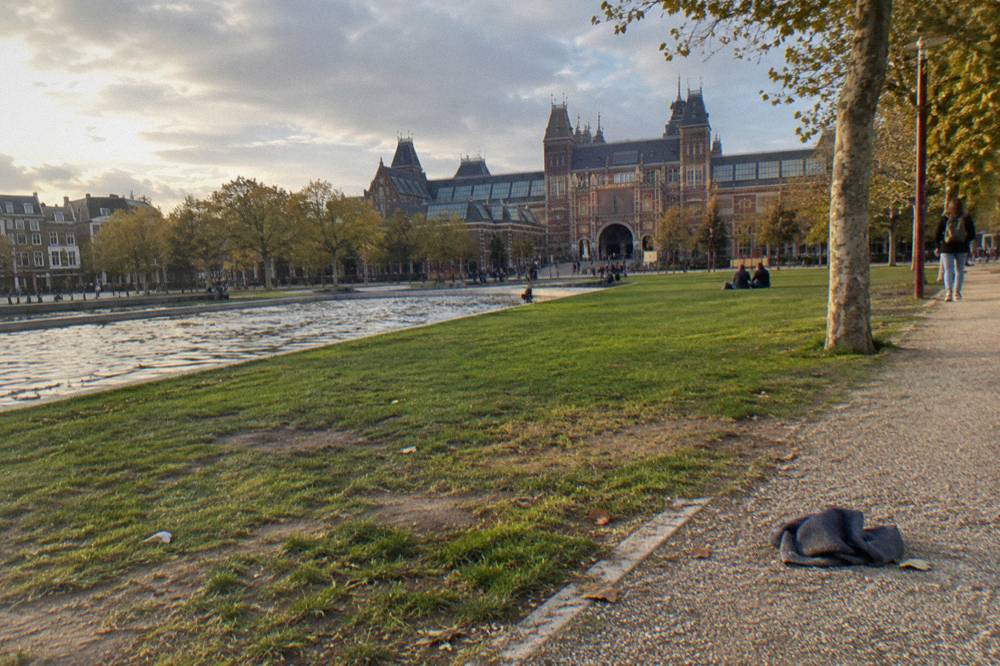
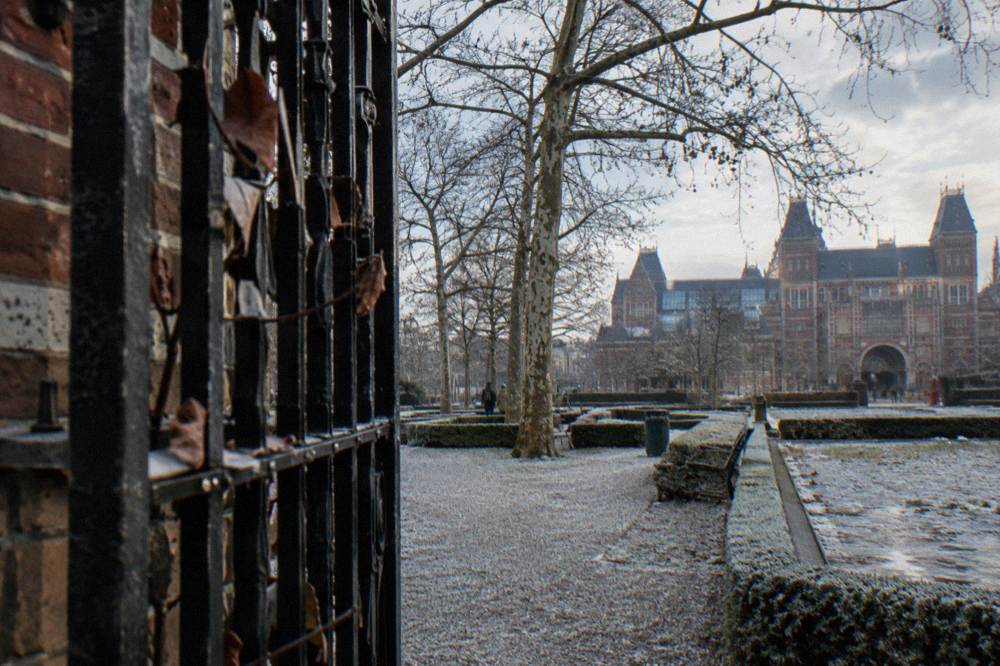
The Rijksmuseum price carries a trap worth knowing here: the garden is not a free add-on in winter. The museum's own prices page states the green gardens are only open during summer, 9:00 to 18:00. Anyone budgeting a free garden stroll between Christmas and March will find it closed. The Rijksmuseum garden question is covered in full elsewhere on this site.
The second tier divides by taste. The Royal Palace interior at EUR 13.50 suits visitors with an hour and an interest in the state rooms. The Oude Kerk at EUR 14.50 is open Monday to Saturday 10:00 to 18:00 and Sunday 13:00 to 17:30, and its tower only opens April to October. The Nieuwe Kerk at EUR 20 is an exhibition space. The Heineken Experience, A'DAM Lookout at about EUR 16.50 and Madame Tussauds are entertainment rather than sightseeing, and no free equivalent claims to replace them, so treat them as optional spends.
A budget alternative to the paid towers: NEMO's Rooftop Square is free, and the free F3 ferry gives you the river crossing that A'DAM Lookout charges you to stand above. The free viewpoints guide lists what costs nothing.
If you want history explained rather than read off plaques, the walks in the history group cost nothing up front. Dominika English History Walk meets at Amsterdam Centraal Station's main entrance, 2 hours, rated 4.88 out of 5 across 146 GuruWalk reviews. Niels Origins Walk and the Medieval City Walls Walk both cover the city's early story, free, pay what you want on GuruWalk.
| Sight | Adult price | Free for | Booking |
|---|---|---|---|
| Rijksmuseum | EUR 25 (EUR 26.50 from 2027) | Ages 18 and under | Timed slot |
| Van Gogh Museum | EUR 25 (about EUR 26 from 2027) | Under 18, Museumkaart | Timed slot even with pass |
| Anne Frank House | EUR 16.50 | Ages 0 to 9 pay EUR 1 | Online only, timed |
| Royal Palace | EUR 13.50 | Exterior from Dam Square free | Walk-up varies |
| Oude Kerk | EUR 14.50 | No free tier | On site |
Is The Museumkaart Cheaper Than Buying Separate Tickets?
For adults the Museumkaart costs EUR 75, EUR 39 up to age 18, so it beats separate tickets once you visit about three big museums, and it stops making sense below that. It does not skip the timed-slot requirement: the Van Gogh Museum still requires a timed ticket even for card holders. For a two-museum trip, buying separate tickets is simply cheaper.
The arithmetic is straightforward. Three big museums at EUR 25 each total EUR 75, the cost of the card, so a fourth museum visit is the first one that saves money, about EUR 25. At the Anne Frank House the card question does not even arise in the same way, because that house prices children at EUR 1 to EUR 7 and sells timed slots online only. Families get the sharper deal: under-18s already enter the big museums free, so a child card only pays off at the mid-sized and specialised museums.

Two limits matter. First, no card makes a museum free in the entry-line sense: every big museum still needs a timed slot, as the Rijksmuseum practical information spells out. Second, the card covers museums, not transport and not attractions, so it should not be confused with a city card. The full breakdown, including which museums accept it and how the maths changes for families, is in is the Museumkaart worth it for tourists.
There is also no free-museum-day trick to build a budget around. No free Sunday or evening window exists at the big museums, so any plan that assumes one will fail. The genuinely free museum pieces in the city are specific: the Stadsarchief's Schatkamer, the Hollandsche Schouwburg, and the free-building-paid-show splits at Eye, NEMO's roof and the Royal Palace exterior.
Does The I Amsterdam City Card Make Sense?
The I amsterdam City Card costs roughly EUR 67 to EUR 140 depending on duration, so it only makes sense for a museum-dense, transport-heavy few days, since it bundles entry and public transport into one price. Timed slots still apply at the big museums, and if your plan leans on the free layer plus one or two paid anchors, the card costs more than it saves.
The card's pitch is bundling. If a two- or three-day itinerary packs four or more paid museums plus canal transport, the arithmetic can work; if it packs the parks, markets, ferries and one museum, it cannot. The honest comparison is against your own ticket list, not against the card's list price. Both the Museumkaart and the City Card are paid products, and neither changes a timed-slot requirement, a point the cards comparison guide works through in detail.
For travellers whose real interest is the city rather than its ticket desks, the free layer plus one paid anchor is usually the better budget. A day that pairs a free GuruWalk walking tour with a single museum entry spends less than a card day and leaves room for the ferries, the markets and the parks, which no card improves. The wider set of guides lives on Free Things To Do In Amsterdam.
Which Free Ferry Saves You A Transport Fare?
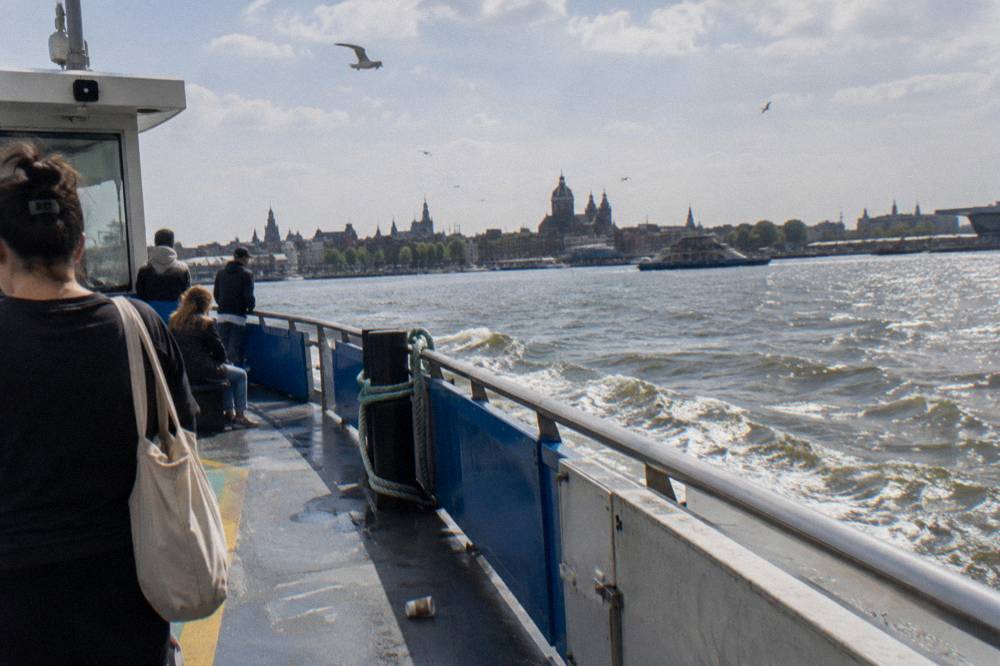
The GVB IJ ferries, routes F1 to F7, are free for pedestrians and cyclists, and the F3 to Buiksloterweg runs 24 hours a day, so a return crossing to Amsterdam Noord costs nothing at any hour. They replace a paid river crossing and they deliver the waterfront view that the A'DAM Lookout sells from above at about EUR 16.50. The F4 serves the NDSM wharf, also free.
This is the cleanest saving in the city. Behind Amsterdam Centraal Station, the ferries leave every few minutes and no ticket, card or check is involved: walk on, cross the IJ, walk off. The F3 runs around the clock. On the north bank, the NDSM wharf and the eastern docklands islands are free to explore, and the Noord side is covered in the free things in Noord guide.
The ferry question is answered in full at is the ferry to Amsterdam Noord free, and the free ferries guide lists each route. The budget point is simple: the crossing is free, the view from the water is free, and only the tower on the far bank charges.
Which Free Concerts And Markets Fill The Evenings?
The Concertgebouw's free lunchtime concerts run weekly at 12:30, except July and August, with a free ticket ordered online up to a week ahead, two per person, so evenings and lunchtimes both have a free option. The Christmas layer adds the Funky Xmas Market in Westerpark on 20 December 2026 with free entrance, and the Light Festival route after 16:30. Markets themselves cost nothing to wander.
The Concertgebouw scheme is the best free-culture deal in the city and needs planning rather than money: a free ticket, reserved ahead, capped at two per person, with the season pausing in July and August. The details are on the Concertgebouw's own page and in is the Concertgebouw free on Wednesdays. Beyond it, the city's free evening layer is mostly outdoor: the Light Festival's walking route, free from 26 November 2026 to 17 January 2027 with lights on from 16:30, and the street life of the markets and squares.
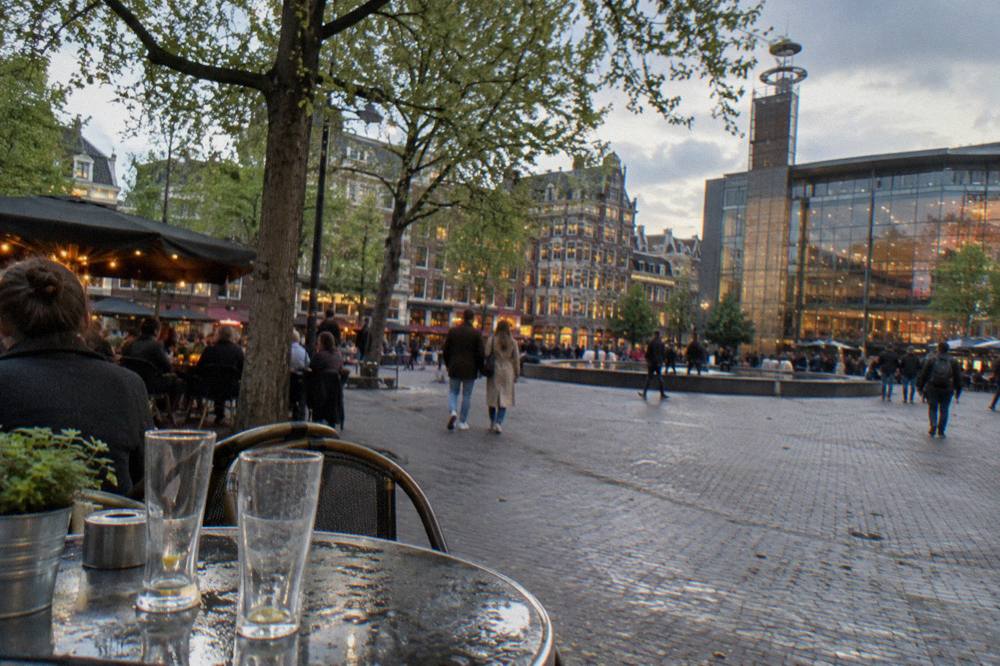
Markets fill the free hours with no entry cost at all. Albert Cuyp is the largest, the Bloemenmarkt is the floating flower market, Waterlooplein is the flea market, and the Noordermarkt with the Lindengracht market anchors the Jordaan end. The free markets guide covers all of them. For an evening walk with a guide instead, the red light district walks are described neutrally elsewhere; one evening option in the old centre is the Essential Walk, Adults Only, 1 hour 30 minutes in English, rated 4.94 out of 5 across 2,591 GuruWalk reviews, meeting at In De Waag on the Nieuwmarkt. Being an adults-only walk, it is not one for families.
How Do You Schedule Free Days Around Paid Ones?
The workable pattern is one paid anchor per day, booked as a timed slot, with the free layer filling the rest: a morning museum, an afternoon of parks or markets, and a free evening from the Light Festival route or the concerts calendar. Book Anne Frank House tickets first since they sell online only, slot the museums around them, and leave at least one day entirely free.
Sequencing matters because the paid sights control the calendar. Anne Frank House timed tickets are online-only, so those dates get fixed first. The big museums need timed slots too, even with a card, so fix those second. Everything free is flexible by definition: ferries run all day, parks never close their gates to walkers, markets run their daytime hours, and the Light Festival lights switch on at 16:30 in season.
| Time block | Free option | Paid anchor it can wrap around |
|---|---|---|
| Morning | Free GuruWalk in the old centre | Rijksmuseum 9:00 opening slot |
| Midday | Concertgebouw 12:30 free concert | Van Gogh Museum afternoon slot |
| Afternoon | Vondelpark, markets, Begijnhof | Anne Frank House timed entry |
| Evening | Light Festival route from 16:30 | Canal cruise from about EUR 29.75 |
| Any spare hour | IJ ferry crossing on the F3 | A'DAM Lookout, about EUR 16.50 |
For the history spine of the city, the Aldo Origins Walk, 1 hour 45 minutes in English from the National Monument on Dam Square, rated 4.78 out of 5 across 261 GuruWalk reviews, slots neatly into a free morning before a museum afternoon.
The scheduling rule that saves the most money is the simplest: never buy a second ticket to fill a gap. Gaps are what the free layer is for. More scheduling ideas, including rainy-day and family variants, sit in the rainy day guide and the with kids guide.
Why Do Budgets Break On The Garden, The Tower And The Card?
The three predictable budget failures in Amsterdam are assuming the Rijksmuseum garden is free in winter when it is summer only, planning to climb the Westerkerk tower when it is closed for restoration, and buying a EUR 75 card for a two-museum trip. Each mistake pays for something that was never available, or pays twice for something already cheap.
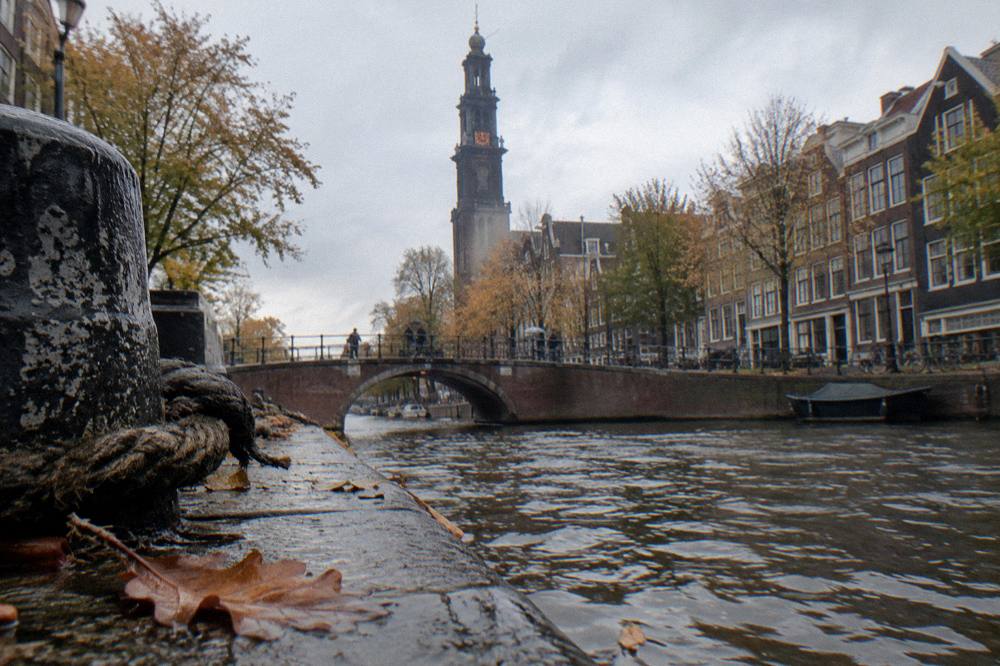
The garden mistake is the most common. Visitors budget a free green break beside a EUR 25 museum and arrive between November and March to find it shut; the official page is plain that the gardens open only in summer. The tower mistake is similar: the Westerkerk church interior is free Monday to Friday 11:00 to 15:00 from September to June, but the tower is not open to visitors right now because of restoration, so no budget should include a climb. The card mistake is arithmetic: below three big museums, separate tickets win, and no card removes a timed-slot requirement anyway.
A fourth failure is subtler: treating free walking tours as free in the booking sense only. Every walk listed here is free, pay what you want, reserved on GuruWalk, and the pay-what-you-want part is the guide's income, so a fair budget carries an amount for it even though no figure belongs on the walk itself. The how free walking tours work post explains the model: free, pay what you want, reserved on GuruWalk.
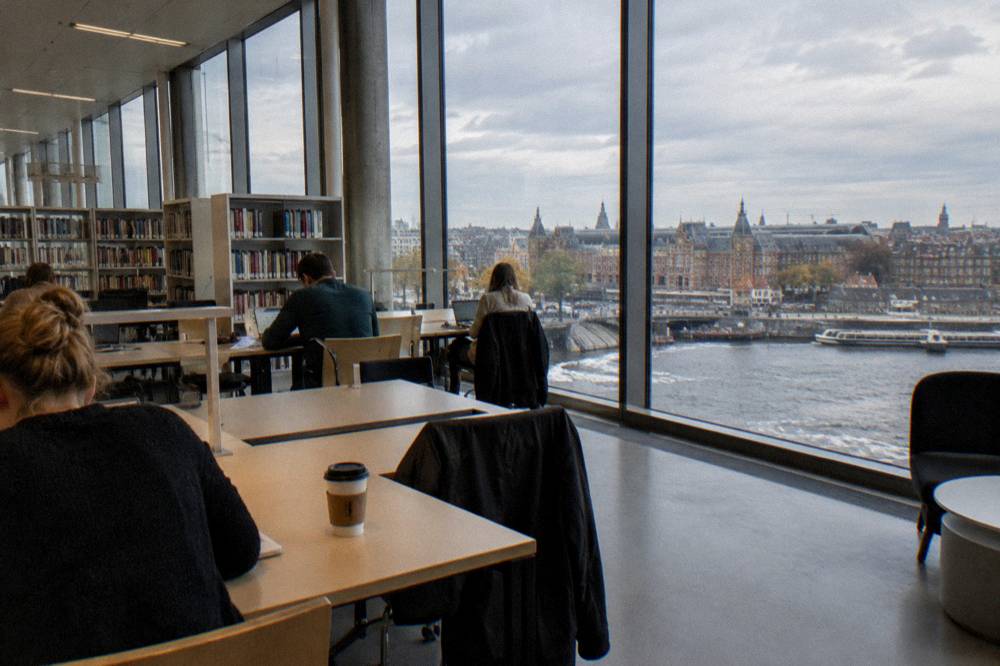
Finally, do not budget around sights whose status is simply unknown. The Amsterdam Museum's main building on Kalverstraat is closed for renovation until about 2029, with no free courtyard access confirmed, and the OBA library's rooftop terrace closes from November to March, so a winter plan that promises either view is a plan with a hole in it.
Common Questions About Amsterdam On A Budget
How Much Of Amsterdam Is Free If You Plan It Well?
The canal ring, every major park, the markets, Dam Square, the Begijnhof courtyard in daytime hours and all the IJ ferries cost nothing. The big museums, the tower attractions and canal boats charge. Free walking tours on GuruWalk cost nothing up front, pay what you want. A planned trip can spend most of its days on the free layer and pay only for deliberate anchors.
Is The Museumkaart Cheaper Than Buying Separate Tickets?
The card is EUR 75 for adults, EUR 39 up to 18. At EUR 25 per big museum it breaks even at three visits and profits from the fourth. It never removes the timed-slot requirement. For one or two museums, separate tickets are simply cheaper, and under-18s enter the big museums free anyway.
Does The I Amsterdam City Card Make Sense?
Only for a museum-dense, transport-heavy itinerary of a few days, since it bundles entry and transport at about EUR 67 to EUR 140. It does not remove timed slots at the big museums. A plan built around the free layer plus one or two paid anchors spends less than the card, so compare it against your own ticket list before buying.
Which Free Concerts And Markets Fill The Evenings?
The Concertgebouw gives free lunchtime concerts weekly at 12:30 except July and August, with a free online ticket, two per person, bookable up to a week ahead. The Light Festival walking route is free from 26 November 2026 to 17 January 2027, lights on from 16:30. Albert Cuyp, the Bloemenmarkt and Waterlooplein cost nothing to wander by day.
Which Free Ferry Saves You A Transport Fare?
The IJ ferries F1 to F7 are free for pedestrians and cyclists, and the F3 to Buiksloterweg runs 24 hours. A return crossing to Amsterdam Noord costs nothing and delivers the river view that the A'DAM Lookout, about EUR 16.50, sells from above. The F4 serves the free NDSM wharf on the north bank.
How Do You Schedule Free Days Around Paid Ones?
Book Anne Frank House timed tickets first because they sell online only, fix museum timed slots second, then wrap the free layer around them: parks and markets by day, concerts at 12:30, Light Festival lights from 16:30, ferries at any hour. Leave at least one day entirely free. Never buy a second ticket just to fill a gap, since gaps are exactly what the free layer covers.